In the heart of Anatolia, at the heart of the steppe — Kırşehir is a city full of the unknown. Many visitors see it only as a passing point, but for the one who
steps inside, there are 5 separate stories where history, flavor and nature intertwine. Here are the 5 hidden treasures of Kırşehir we want to share with you.
1. Ahi Evran and the Ahism Culture — The Conscience of Craftsmen
The name that makes Kırşehir not just an Anatolian city but the birthplace of a culture: Ahi Evran (Sheikh Nasreddin Mahmud al-Khoyî, c. 1171–1261). Arriving in
Anatolia from Horasan in the 13th century as a Sufi thinker, Ahi Evran established an ethical order for craftsmen and tradesmen — what we know today in Turkish as
"ahilik" (Ahism).
Ahism was not a simple guild system: the master's responsibility to the apprentice, honesty toward the customer, fair sharing of earnings, solidarity — all
gathered within a spiritual framework. The basic philosophy of Turkey's craftsmen's chambers and professional solidarity is still fed from here.
Ahi Evran's tomb is in central Kırşehir, open to visitors. The Ahism Monument and complex stand beside it. The annual Ahism Week in Kırşehir keeps this heritage
alive. Standing before the tomb, you feel you are at the door not just of a historic building, but of a nation's craftsman conscience.
2. Mucur Underground City — Cappadocia's Lesser-Known Sibling
Everyone knows Cappadocia's Derinkuyu and Kaymaklı underground cities. But in Kırşehir's Mucur district, away from the crowds and less known yet historically just
as valuable, lies the Mucur Underground City.
Dating to the Byzantine / Early Christian era, this multi-level city consists of tunnels, rooms, cisterns and ventilation shafts carved into the rock. After
restoration it was opened to visitors — but it doesn't carry the tourist crowd of Cappadocia's underground cities. That means a place where you can photograph at
ease, hear your guide's voice, and truly feel the breath of the past on the stone.
For those without claustrophobia, this underground world can be one of the most surprising stops on a Kırşehir trip.
3. Kırşehir Cuisine — Flavors of the Steppe
Anatolia's steppe cuisine is simple but deep; Kırşehir is one of its finest examples. From the daily table of locals to wedding feasts, the dough and meat culture
brought by sheep-goat husbandry forms the backbone of Kırşehir cuisine.
Must-try:
• Bazlama — Soft bread baked on a sac iron; plain or with butter.
• Hingel — Kırşehir's manti; rolled large, served with yogurt and butter.
• Etli ekmek — Different from Konya's version, with a technique unique to Kırşehir.
• Yarpuzlu çorba — A refreshing soup made with the region's natural herb yarpuz (pennyroyal).
• Toyga / Oğmaç soup — Wheat- and yogurt-based, indispensable in winter.
• Kırşehir yağı — The secret of traditional dishes, obtained from rendered tail fat.
• Cızlama, kete, düğün dönmesi — Pastry tradition.
Local restaurants in the city center, and especially wedding invitations, are the most authentic representatives of Kırşehir cuisine.
4. Cacabey Madrasa — Anatolia's Cradle of Astronomy
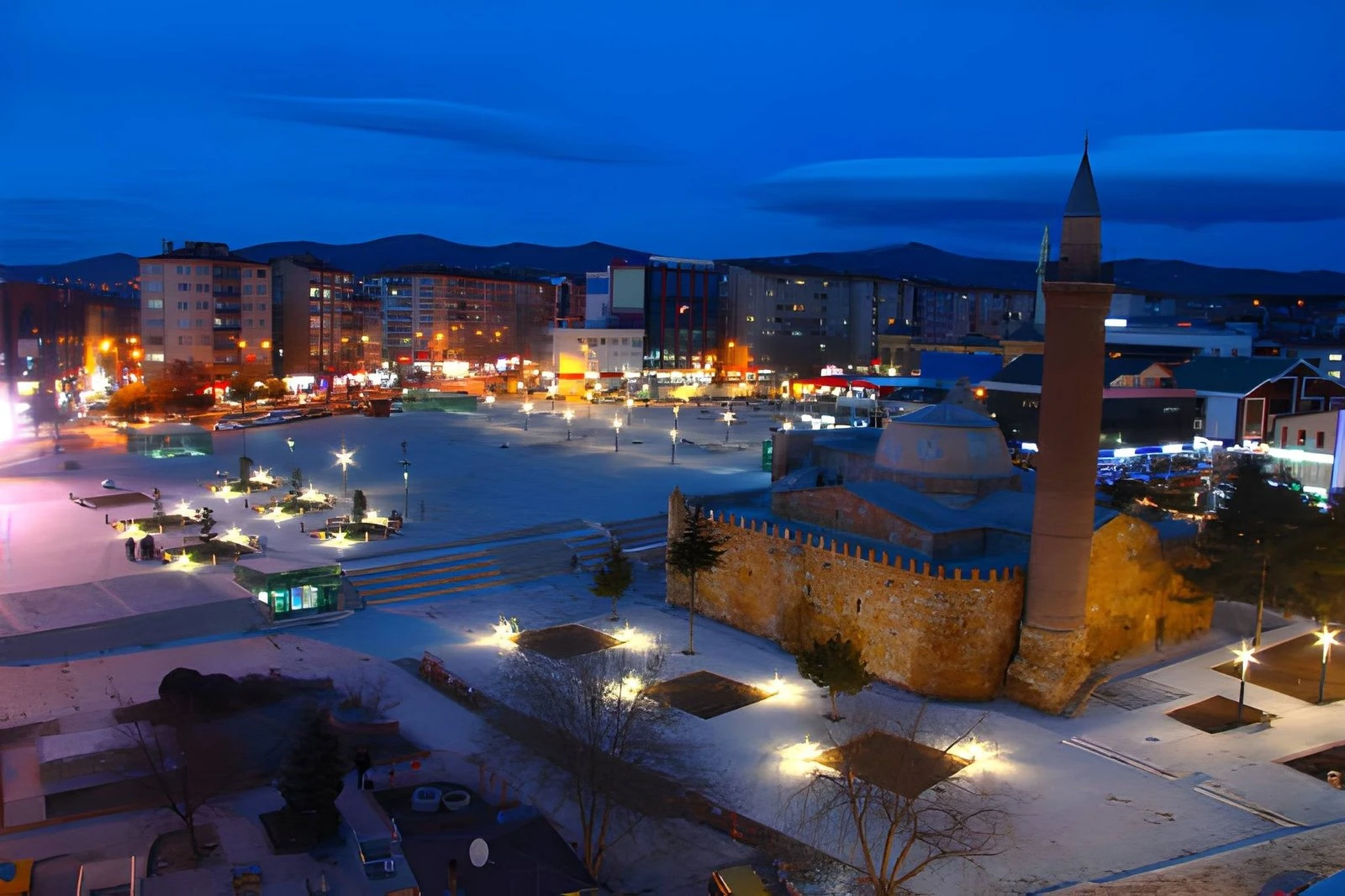
Right in the heart of the city center, a building that draws attention with its reddish stone: Cacabey Madrasa. Built in 1272 by Cacabey Nurettin Bey during the
Anatolian Seljuk period, this structure looks at first glance like a madrasa — but its real story is far more surprising.
Cacabey was built as a rare institution where not only religious sciences but also positive sciences such as astronomy and mathematics were taught. It is
considered one of the oldest astronomy observatories in Turkey. The original stonework, small observation windows and the traces of a sundial in its courtyard
point to the scientific atmosphere of 13th-century Anatolia.
Today serving as a mosque, the building can be visited. When you go inside and sit under the dome, you can feel the breath of scholars who observed the sky here
750 years ago.
5. Bağbaşı Plateau — Minutes from the City, in the Heart of Nature
A short distance from Kırşehir city center but in atmosphere a whole different world: Bağbaşı Plateau. For those who want to escape the burning heat of the steppe,
this green and cool recreation area has been chosen by locals for years.
The plateau has vineyards, gardens and natural water sources; ideal for picnics, barbecue and a full day of rest. Especially on weekends, Kırşehir families flock
here. Little known to foreign tourists but a favorite of true Kırşehirians, this spot offers a green breath contrary to the steppe character of the city.
If you go early in the morning, you can fully experience the silence and coolness of Bağbaşı — a safe escape for families with children.
Can You See All of Them in One Day?
It is possible to visit all five treasures in a single day — but rushing them loses their meaning. At Kırşehirgezi, on our Kırşehir city tours we include the Ahi
Evran Tomb and Cacabey Madrasa in the route and share the city's spiritual and architectural heritage; on request, we add nearby spots such as Mucur Underground
City and Bağbaşı Plateau to the tour. For a local cuisine experience, our guides recommend Kırşehir's most authentic restaurants.
Kırşehir is a city not to be passed through, but to be lived. Its five little-known treasures are waiting for you.
Ready to Explore?
Book your next adventure with kırsehirgezi.com and experience the magic yourself!
Browse Our Tours