In the heart of Central Anatolia, on the bank of the Kızılırmak — the city where Ahism was born, where Aşıkpaşa elevated Turkish into a literary language, where
Neşet Ertaş's bozlak song reached the world. Lesser-known but rich with a story behind every corner — this is Kırşehir, an Anatolian gem.
Geography and Location
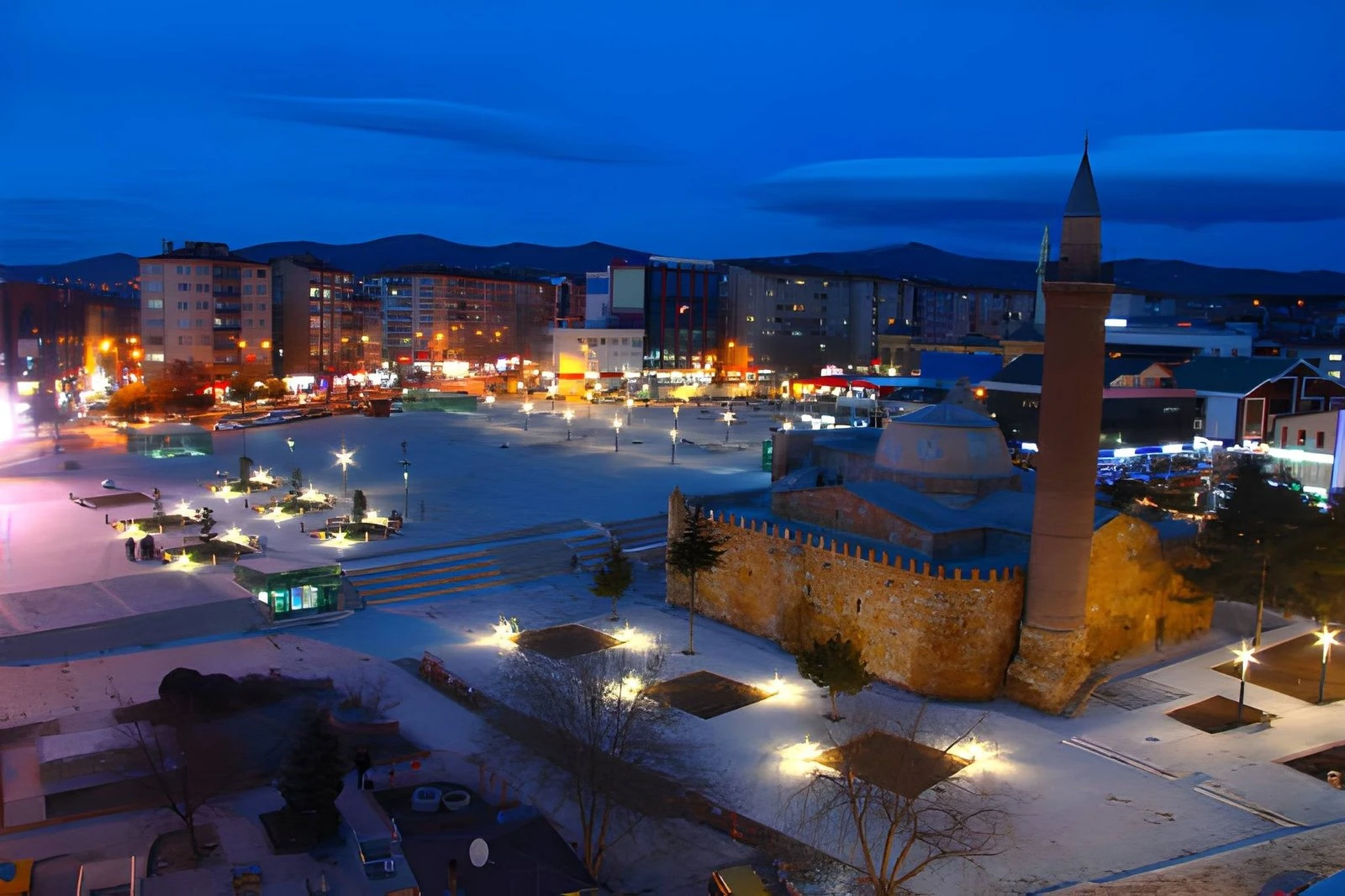
Kırşehir lies in Central Anatolia, the 40th-largest province in Turkey at over 16,000 km². Bordered by Çorum and Yozgat to the north, Nevşehir to the east, Aksaray
to the south and Ankara to the west, the city sits at 985 m elevation. The Kızılırmak River runs through the province; Hirfanlı Dam Lake marks its western border.
Kırşehir is 110 km from Cappadocia, 210 km from Ankara and 150 km from Kayseri — a crossroads in the heart of Anatolia.
A Layered Past
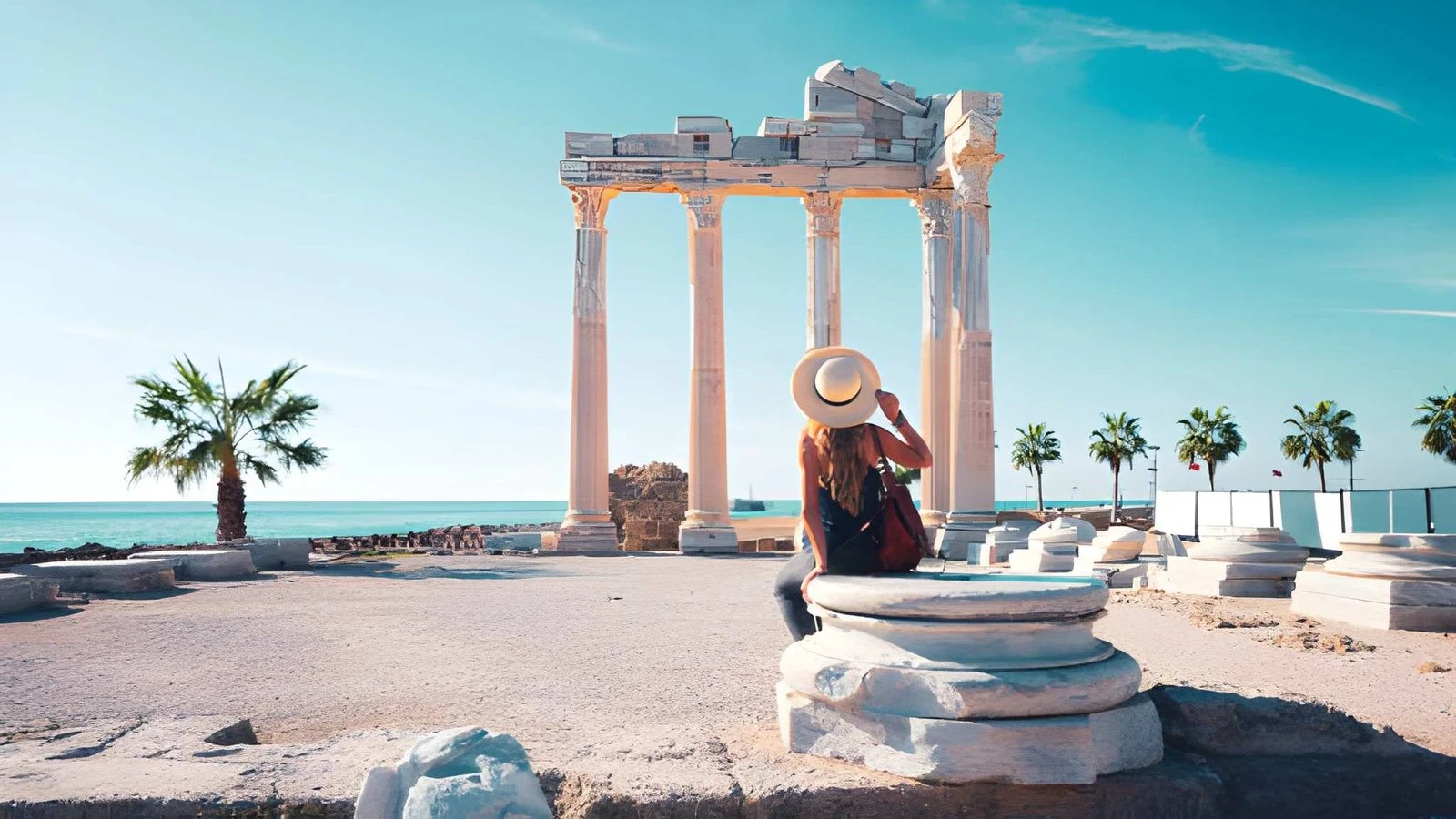
Known as Mokissos and Justinianapolis in antiquity, the city has hosted civilizations from the Hittites and Phrygians to the Romans, Byzantines, Seljuks and
Ottomans. In the 13th century, the arrival of Ahi Evran made Kırşehir the center of Ahism — the guild and ethics culture of Anatolian craftsmen — while Aşıkpaşa
was transforming Turkish into a literary language. Cacabey Madrasa, built under Seljuk Sultan Alaaddin Keykubat, is among the oldest astronomy observatories in
Anatolia.
What to See
• Cacabey Madrasa — A 1272 Seljuk astronomy madrasa; considered among Turkey's oldest observatories, today serving as a mosque.
• Aşıkpaşa Tomb — The tomb of the poet who elevated Turkish; a 14th-century architectural example and the city's spiritual center.
• Ahi Evran Tomb and Complex — The tomb of the founder of Ahism; the spiritual home of Turkey's craftsmen tradition.
• Mucur Underground City — A lesser-known Byzantine-era underground settlement in Mucur district, similar to Cappadocia's but quieter.
• Hirfanlı Dam Lake — One of Anatolia's large reservoirs; fishing and recreation along the shore.
• Bağbaşı Plateau — Close to the city center, a natural escape for greenery and cool air.
• Neşet Ertaş Culture and Arts Center — A museum dedicated to the legacy of "the Plectrum of the Steppe" and the Abdal musical tradition.
Cuisine
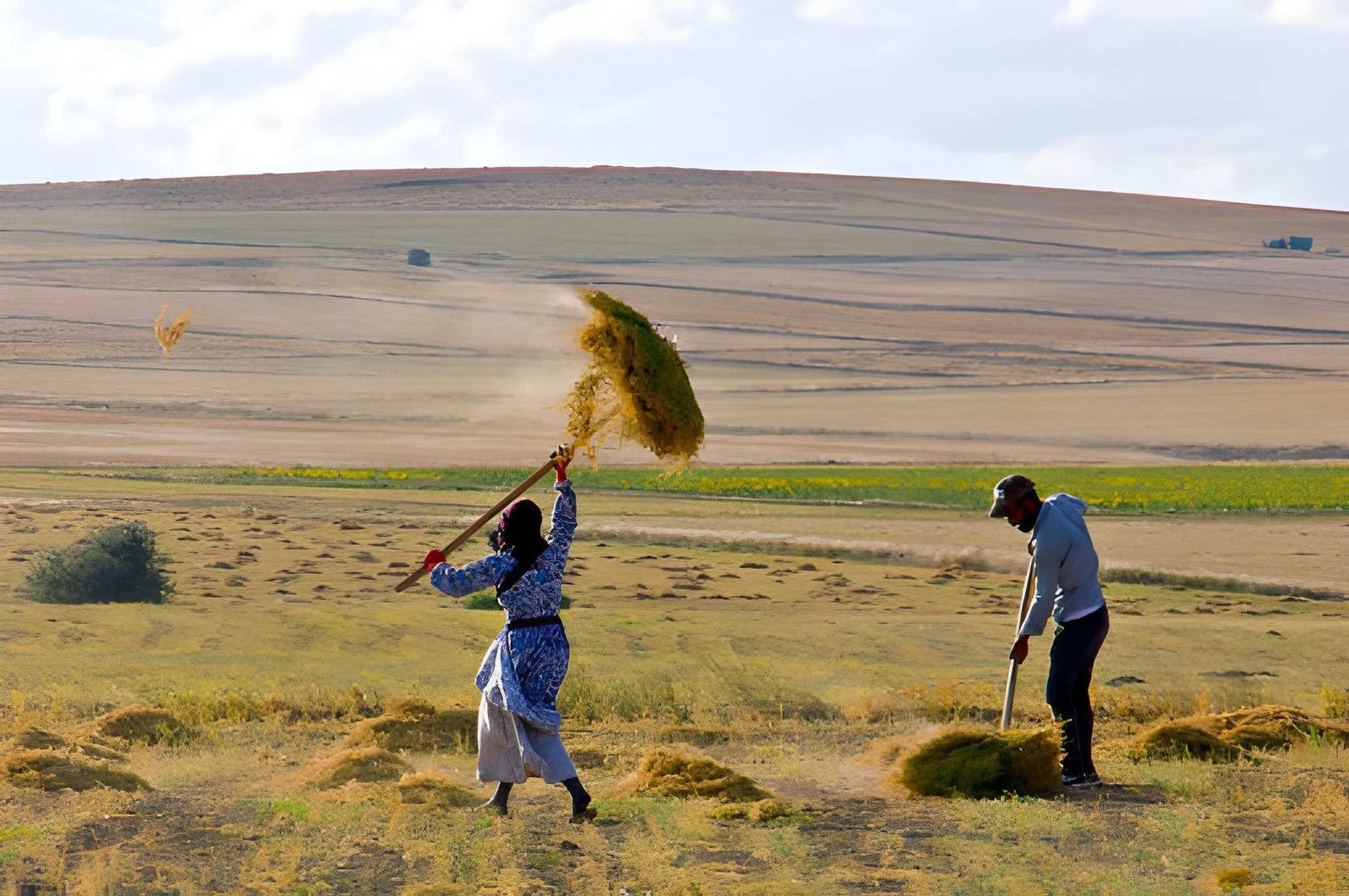
Kırşehir cuisine carries the steppe flavors of Central Anatolia and the nomadic tradition. Bazlama, hingel, etli ekmek, mantı, yarpuzlu çorba and Kırşehir yağı
(rendered tail fat) lead the local table. Pancar bağlaması, oğmaç soup and wedding dishes are part of Kırşehir's cultural-gastronomic heritage.
Music and Culture
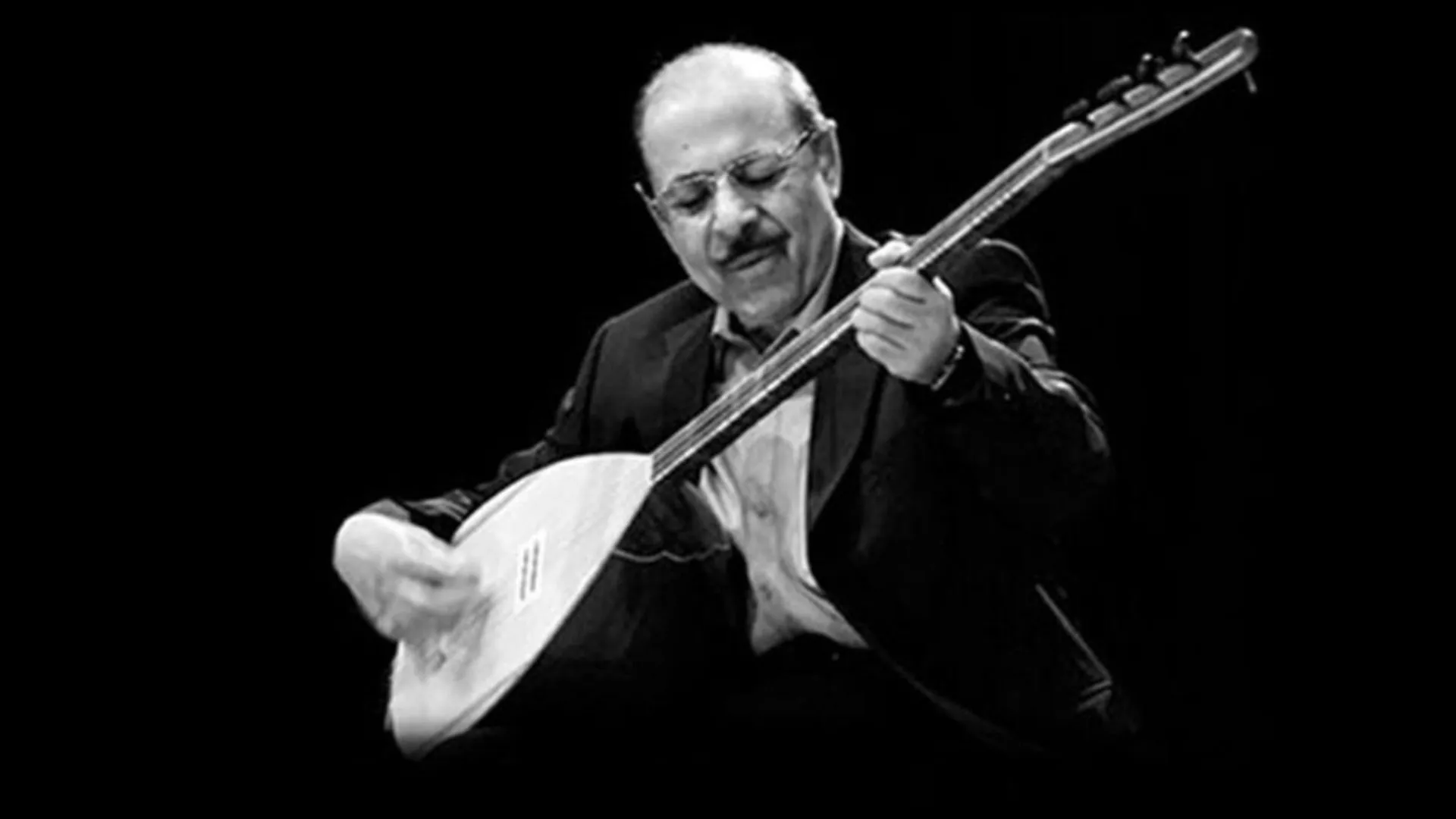
Kırşehir is the heart of the Abdal music tradition. Built on bozlak, folk song and halay, this tradition is one of the deepest veins of Turkish music. Neşet Ertaş
and his father Muharrem Ertaş introduced this heritage to the world. Kırşehir hosts annual festivals on saz, folk song and traditional dance.
When to Visit
Spring (April–June) and autumn (September–November) are the ideal seasons to explore Kırşehir — mild weather, fewer crowds and a scenic steppe. Summers can be hot
in the center, but the Hirfanlı Lake shore and Bağbaşı Plateau offer cool relief. In winter, snowscapes transform the steppe into another portrait entirely.
Tours Departing from Kırşehir
Thanks to its position at the crossroads of Anatolia, Kırşehir is an ideal base for day trips and multi-day tours to surrounding cities. Cappadocia is 1.5 hours,
Konya 3 hours, Eskişehir 4 hours and Ankara 2.5 hours away. For more distant destinations such as the Black Sea coast, the Mediterranean or Mardin, Kırşehirgezi
offers scheduled packages year-round.
Ready to Explore?
Book your next adventure with kırsehirgezi.com and experience the magic yourself!
Browse Our Tours